J/PR
I learned about J/PR at a PRSSA professional development tour that was held over Zoom, and it may just be the best thing to come out of the COVID-19 pandemic for me. I sat in Eugene as two incredible women in San Diego talked about the luxury travel and hospitality PR firm they worked at, and it was like the heavens opened up and light parted those cloudy Eugene skies. I knew immediately that I needed to apply to J/PR’s summer internship and when I got it, let’s just say the happy dance I did could’ve won any reality TV show. It was so exciting to work in an industry that was coming to life again as travel restrictions lifted around the world. I spent three months working remotely with an agency whose mission really resonated with me and with a group of women who were so incredibly talented and willing to teach. I learned so much about working in public relations and in the travel industry; the whole summer was truly one big “ah ha” moment. Read below to see some of the skills I developed and projects I had the pleasure of working on.
Social Media
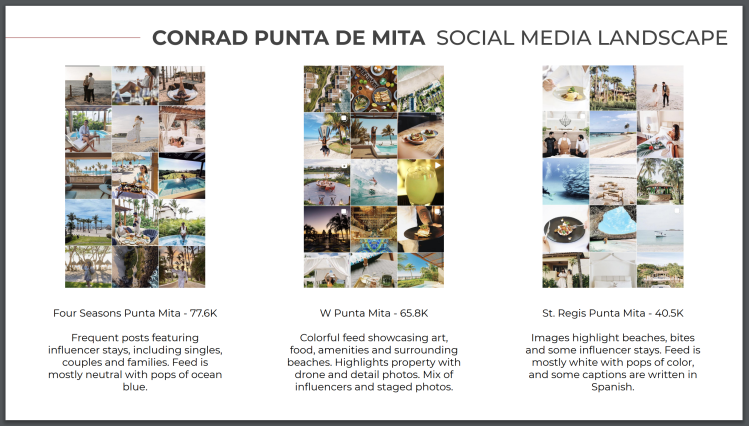
I helped analyze the social media landscapes of clients’ top competitors, examining what their typical content looked like. I included how feeds appeared overall, but also some common themes throughout posts. Most of the themes I saw in resort posts were of the natural landscape around the resort, entertainment offerings on and off site, and amenities that made the resort unique. These landscape analyses helped J/PR’s social media coordinators determine how to develop social media strategies for our clients that could compete with other resorts in the area.
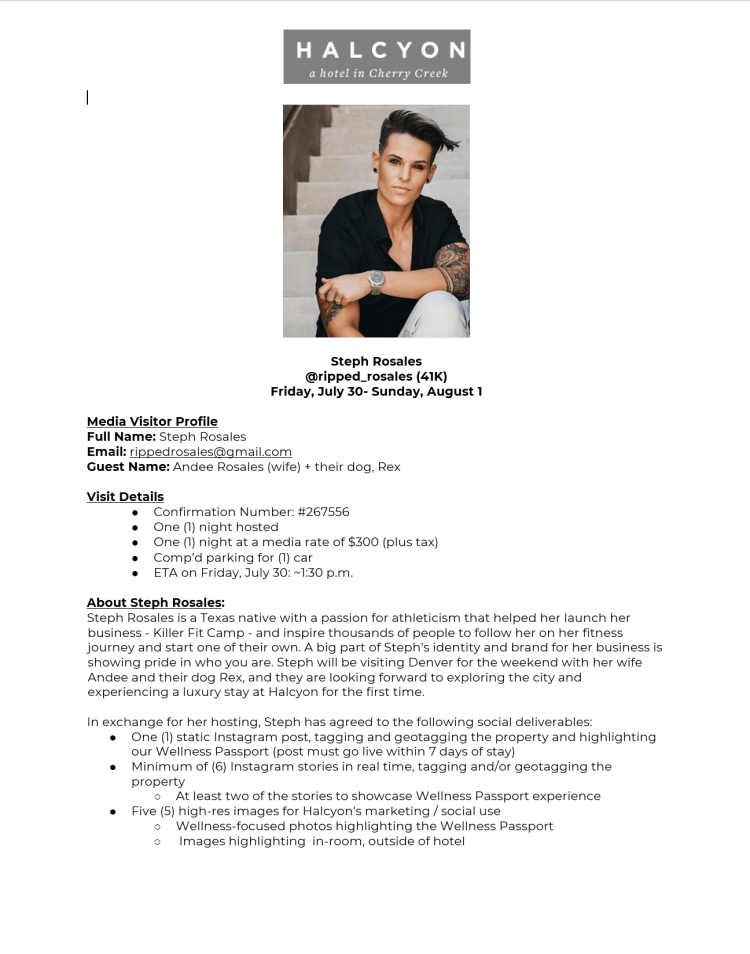
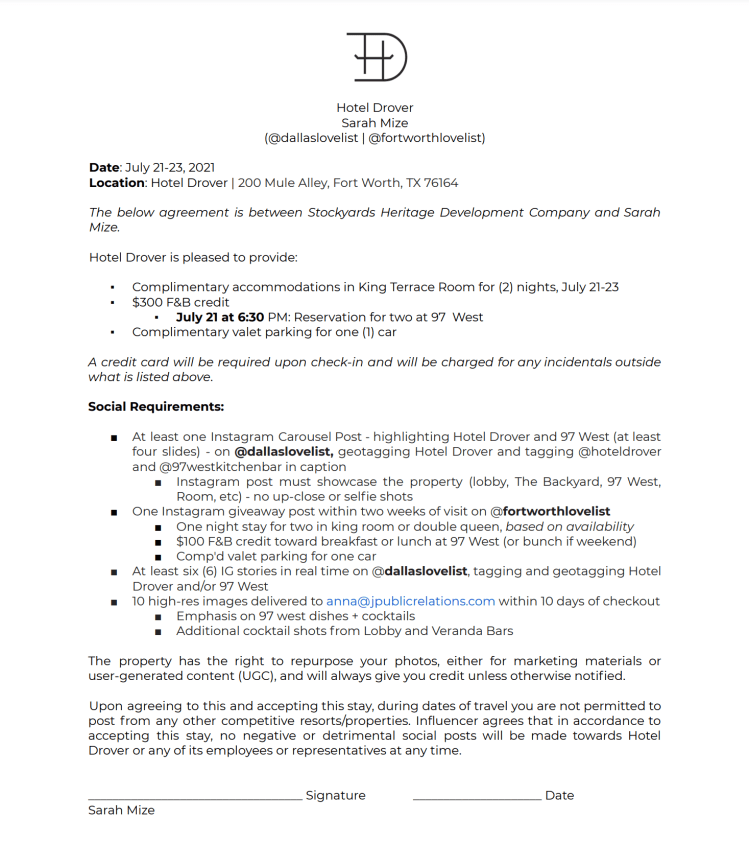
J/PR also gave me the opportunity to work with social media influencers. Most of the accounts I worked on at J/PR were luxury hotels, so influencer visits and stays were quite common. I learned a lot about what criteria my team looked at to determine which influencers to work with, and I also learned how to use Fohr to find influencers that would align well with our brands. I also wrote backgrounders on upcoming stays to give to hotel staff. These backgrounders gave basic information like who was coming and when, as well as information on what kind of brand these people built for themselves. These backgrounders enabled hotel staff to provide a more personalized experience for influencers that we hoped would lead to positive coverage. I also helped create some influencer contracts for upcoming stays. Writing these documents gave me a good sense of what social media coverage was worth to our clients.
Media Relations
I developed media lists for clients including African Adventure Consultants and National Geographic. Senior account members developed pitches aligning with our strategic messaging goals and from there, I searched our key performing indicator (KPI) outlets for articles similar or related to our pitches. I recorded the names and contact information of approximately 100 writers to pitch to.
Reporting
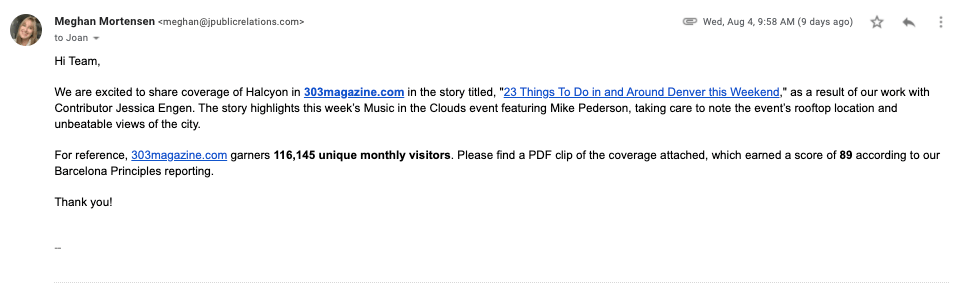
When my account’s pitching efforts resulted in media hits for clients, I assisted in reporting by clipping the article and drafting placement spotlight emails to send to clients. The clips were PDFs of the article that I edited to make our client’s information easily visible which was helpful in cases of articles that listed many other organizations. The placement spotlights were an opportunity for us to show our clients the results of our pitching efforts. These emails included a link to the article, how we got the coverage and the unique monthly visitors that outlet’s website received (which I pulled from Cision). I primarily clipped media hits on news websites, but I did also learn how to use TV Eyes to clip cable news hits.
In addition to reporting on individual media hits, accounts would also put together monthly reports of web, print and social earned media. I scored each media hit that I clipped and any other media hits my team requested of me according to the Barcelona Principles, so we could determine which hits were most valuable to our clients.
 meghanmortensen.com